Keystone Division Description

Overview of the Keystone Division                          

The Keystone Division of the Reading & Chesapeake Railroad serves energy and industrial product movement across Pennsylvania from Erie in the northwest, through the center of the state, to Philadelphia in the southeast.

The layout is designed for two types of users: inexperienced, occasional visitors and operations oriented users

For inexperienced, occasional visitors the layout is configured so four users can each run a train around a loop. Each user can control their train without interfering with any of the other three users.

When operations oriented users get together we configure the layout for point to point operation by setting 'Out of Service' barriers across selected track crossings. In this configuration, Erie is the westmost point on the railroad and Pottsville is the eastmost point. West-East flow is counterclockwise.

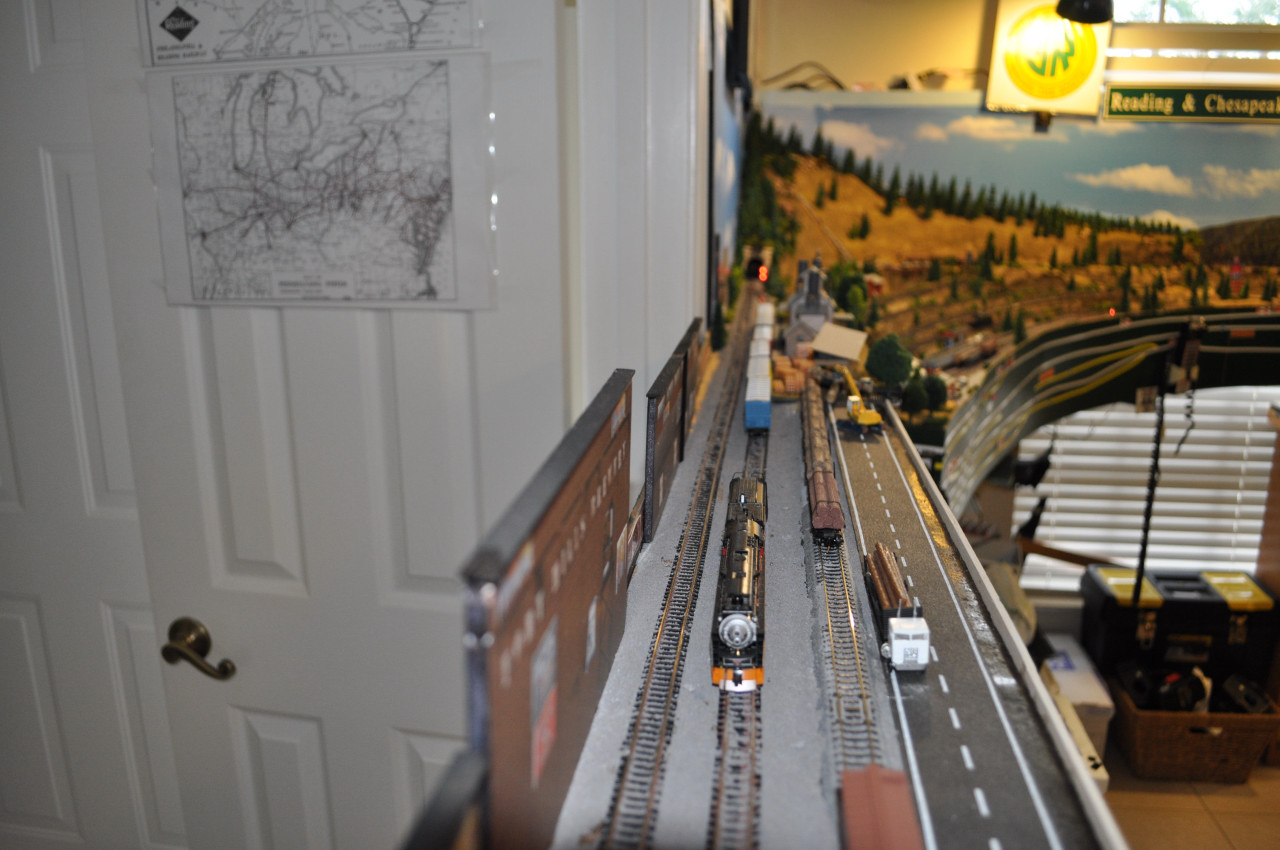
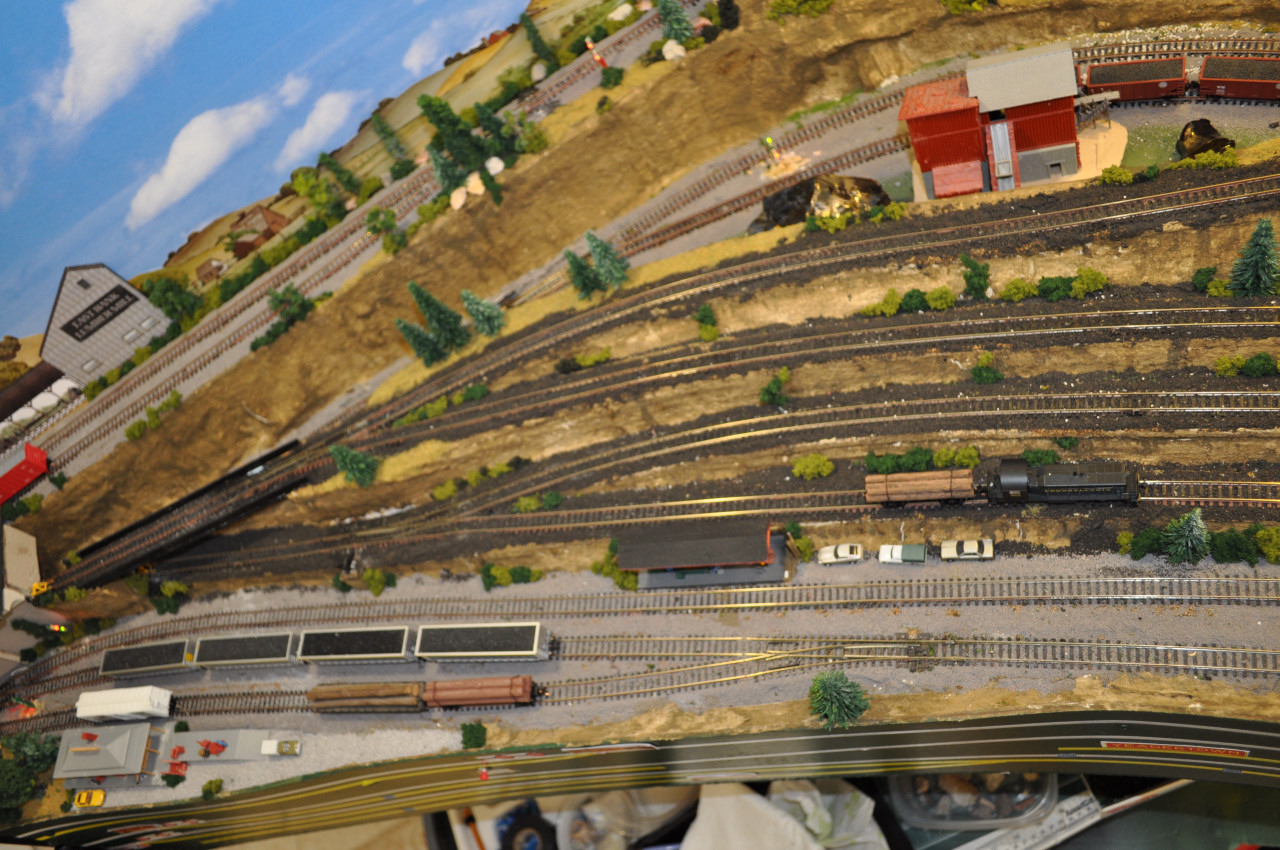
Tracks run around the walls from Erie's high elevation, and then corkscrews down to the low level on the second run around the walls. Once at the low elevation, the track flows onto a peninsula in the middle of the room and eventually snakes back out toward the walls before turning toward Pottsville along the same wall as but below the western-most Erie elevation.

Most industries and their sidings are positioned at the high or low elevations. There are also a few industries located along the transition route between the high and low elevations.

To increase the action in the limited space this railroad occupies, we plan to run several automated trains. These trains will obey the instant signal and turnout settings and the track occupancy realities. We expect to operate these automated trains in several modes: only automated trains with or without a manual dispatcher controlling track sections and traffic flows; and, combined automated and manual trains with or without dispatcher control. We are evaluating software generation alternatives to hard coding individual train running algorithms.

Timeline

The Reading & Chesapeake (R&C) is a fantasy, freelance interpretation of a railroad comprising many fallen flag railroads of the 20th century. The R&C perpeuates some industries, long fallen as well. The R&C operates today, agnostic of presently obsolete track, industries, motive power or carriage. The R&C revels in perpetuating memories and prefers a timeless view of railroading. So sometimes we run steamers and sometimes we run modern diesels and electrics. Buildings and other artifacts tend to be late 20th century.

Keystone Division's Theme

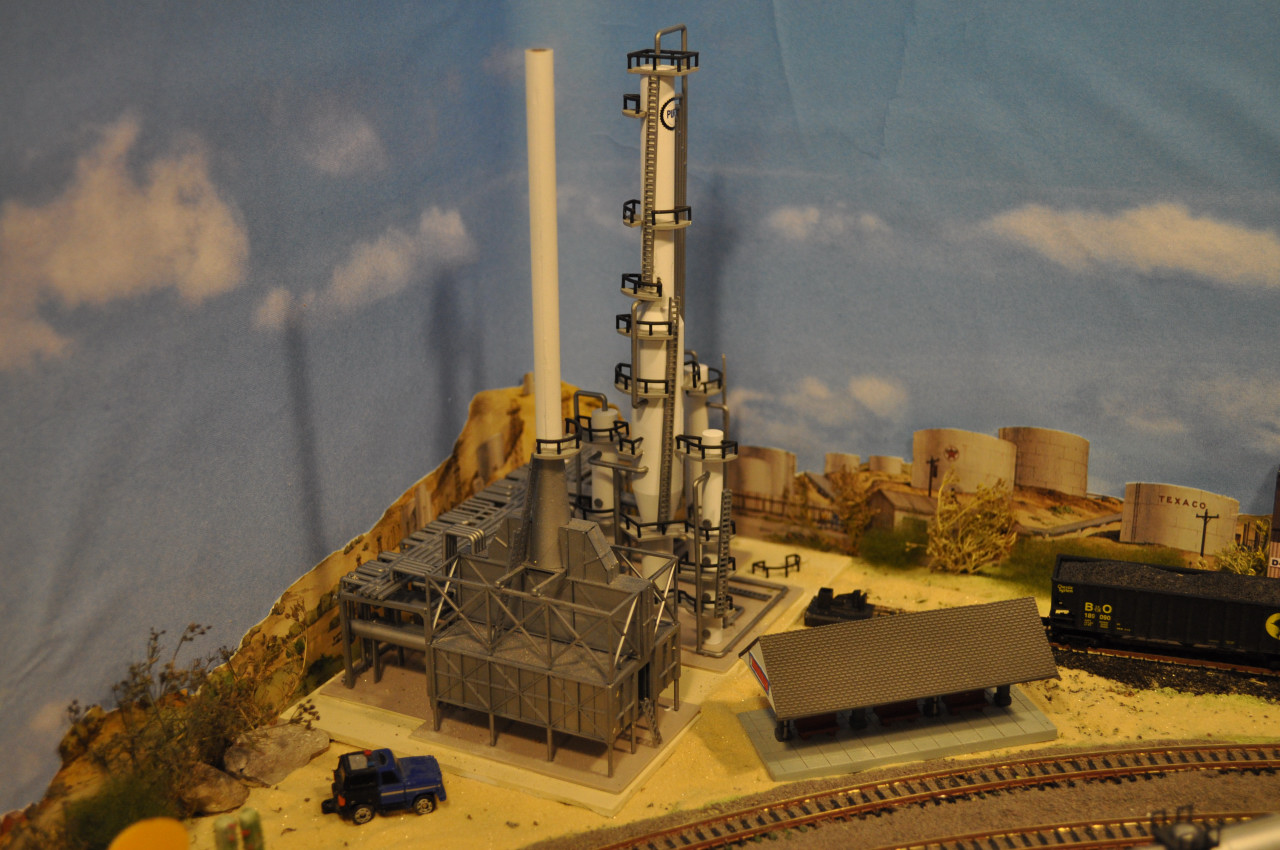
Check out this page for photos and details: Pennsylvania's Energy & Industrial Product Mover

Goals


Industry Types requiring rail service from the Keystone Division:

Railroad Features

CityTowns located along Keystone Division trackage and industries modeled

Erie - Staging yard and interchange with Buffalo, model
Cleveland Interchange, model
Titusville – Oil Wells, Electric Generation, model
Punxsutawney model
Driftwood model
Williamsport – Lumber Mill, model
Laporte model
Red Rock model
Tunkhannock model
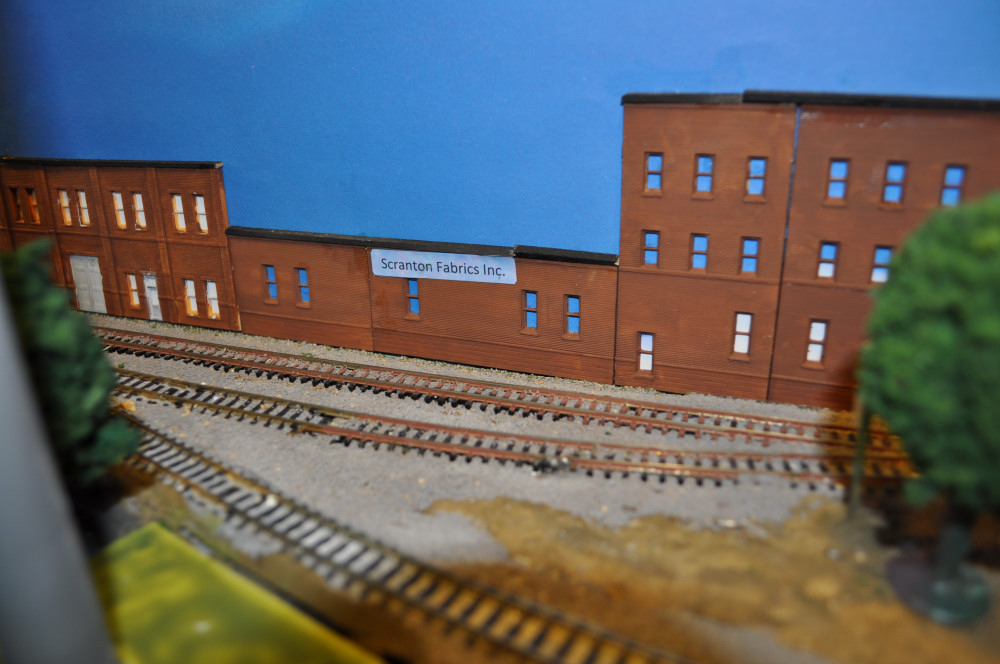
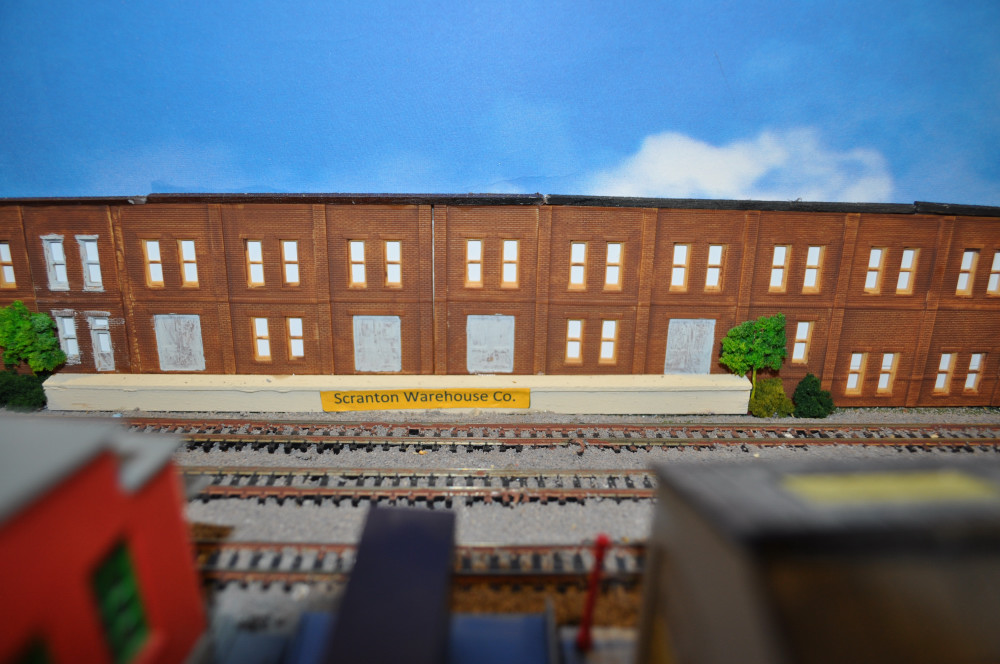
Scranton – Meat, Textiles, Steel, Warehousing, model
Moosic model
Wilkes Barre model
Bloomsburg model
Sunbury - coal, deep mined anthracite, model
Harrisburg model
Hershey - chocolate candies , model
Easton - home of Crayola Crayons, future NYC interchange track, model
Hazleton model
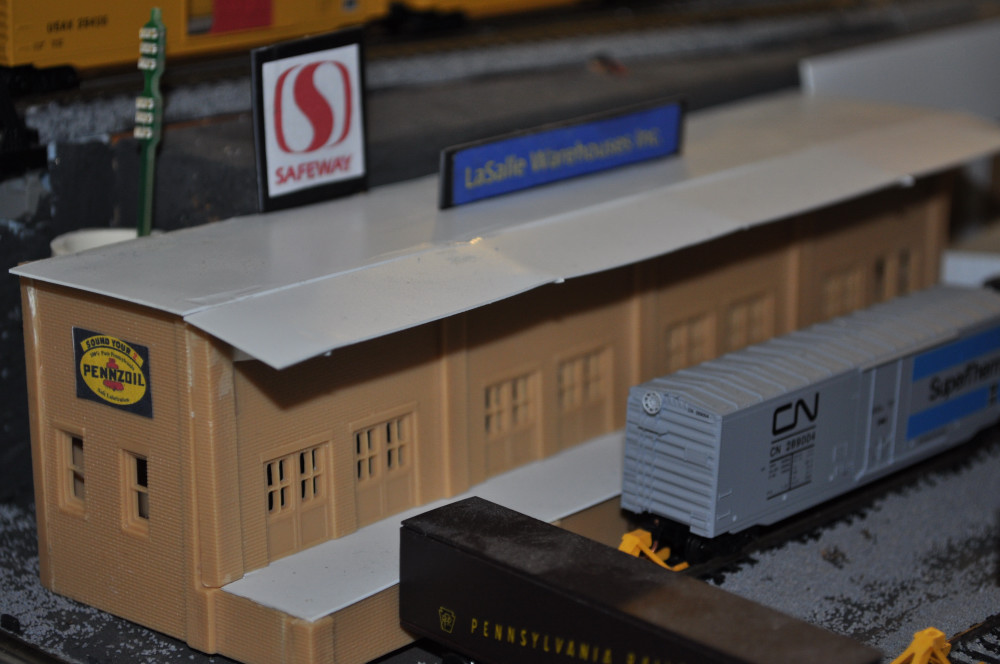
Frackville - warehousing, distrbution electric power poles, model
Girardville – coal, model
Big Mine Run model
Yeagertown - timberland farming, model
Ashland – logging, model
Shamokin model
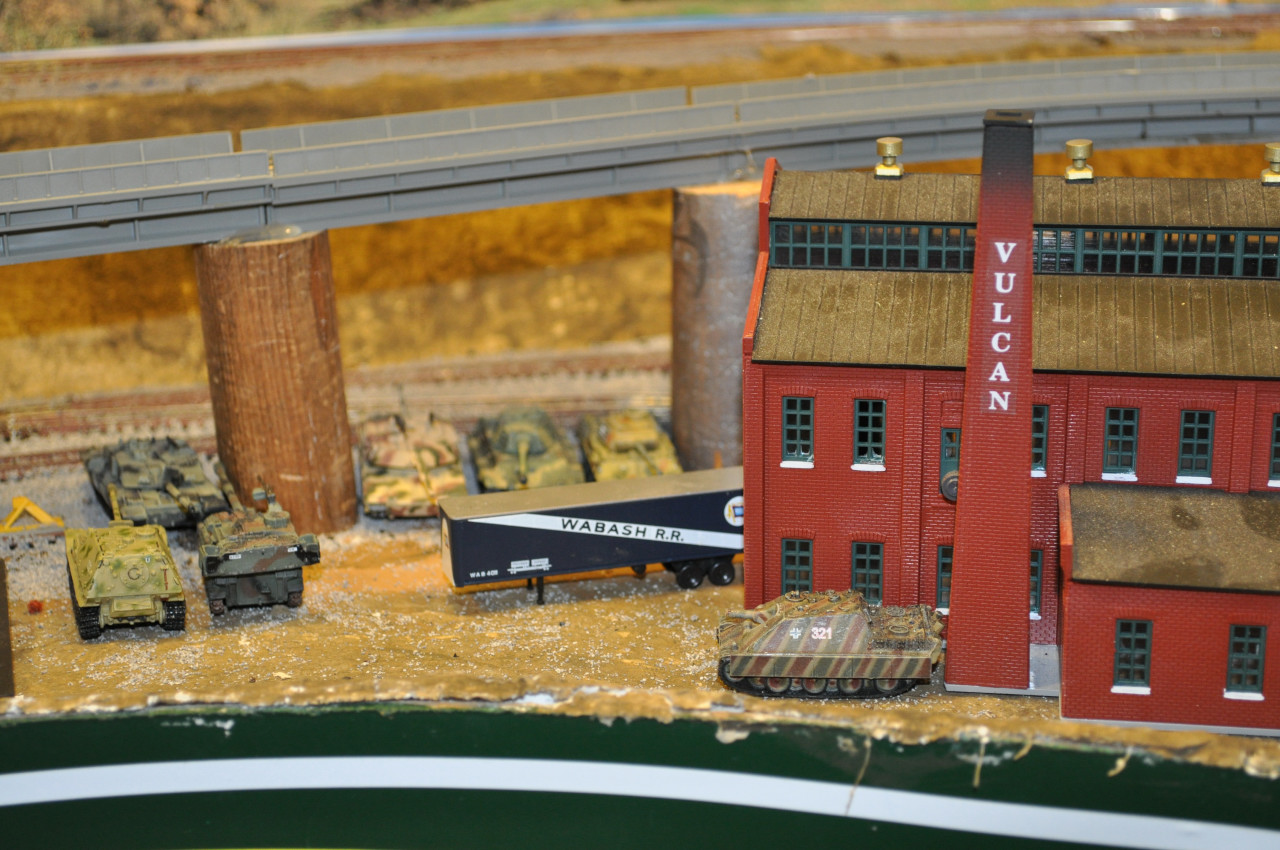
Indiantown Gap – military depot, tamk manufacturing, model
Lancaster - meat processing, candy, perishable food model
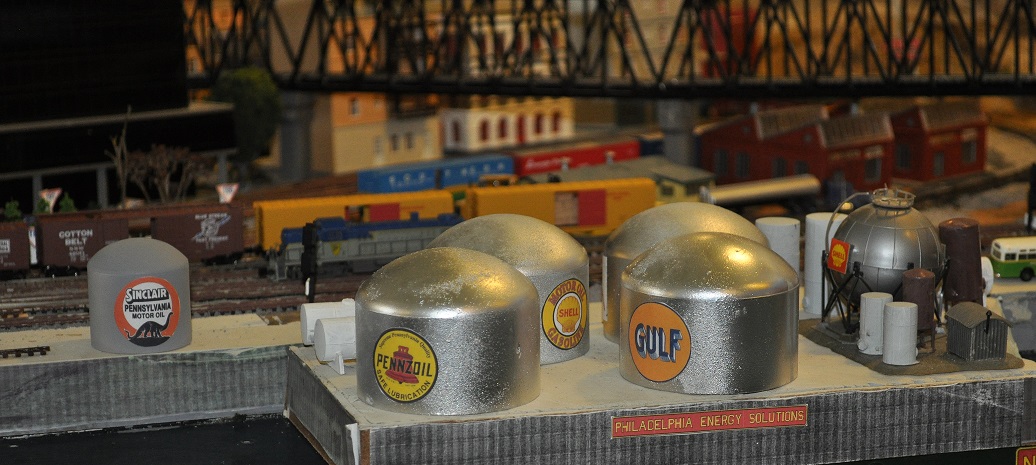
Philadelphia – Seaport: coal export, oil/gas import,  container import/export, seafood, warehouses, clothing models
Reading – anthracite coal distribution, meat products distribution,
Allentown Bethlehem Steel Distribution model
Hamburg
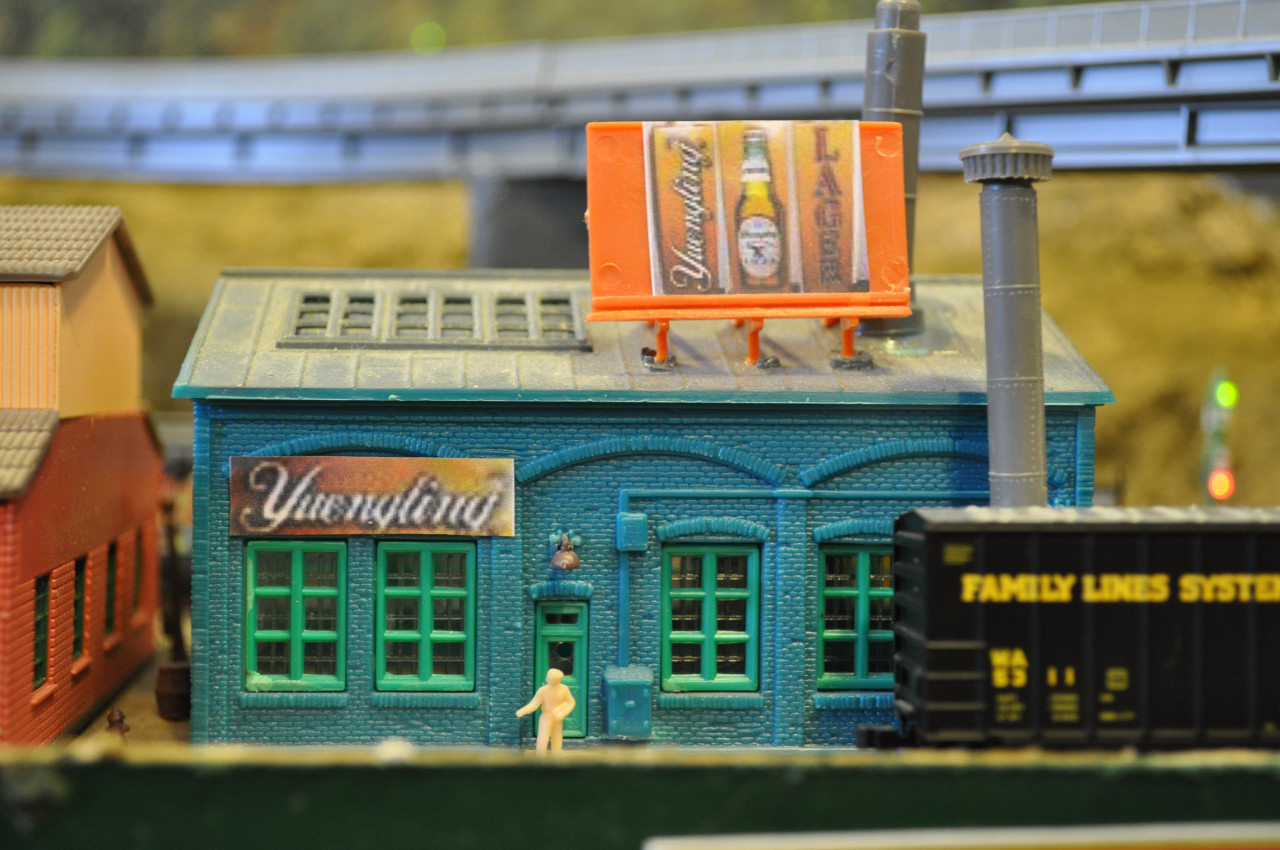
Pottsville – Yuengling Beer, Warehousing, model
Tamaqua - track not used
Nanticoke - track not used

MRRM Software

This section shows how we use the MRRM software to support operations on the Keystone Division

  • Configuration Management

Railroad work is created by the MRRM simulator of the industries using the railroad. The specification for the simulator are created and stored in a database. This specification is under development.

The following selected configuration data sets have been declared at this time for the R&C Keystone Division:

  - Division Partners including interchanging Railroads
  - Commodity ladings and AAR car type assigned to transport that commodity
 - Track and Sidings identified 
 - Stops on track identified 
 - Buildings and Industries operational alongside tracks on the layout 
 - Layout Industry Buyers and Sellers
 - Industries Off the Layout that Sell to or Buy from Industries on the Layout 
 - For each Industry on the Layout: Commodites bought or sold 
 
  • Inventory Management

Inventory objects derived from declarations
AAR Codes for Rolling Stock required for declared industries and commodities
Rolling Stock:  list of those cars in my inventory having a required AAR and useable for operations.
A Rolling Stock inventory details sample page shows the data elements managed for each piece of rolling stock.
Car Card sample  - Car Cards can be used for operations if preferred instead of Manifests. Waybills define rolling stock moves based on industry orders/shipments and railroad movement rules.  Waybills are assigned to a manifest or to a card card deck for every train run. Use the car card with a pocket that holds the specific waybill for this car movement by this train.
 
  • Traffic Generation

Business Partners generated
Orders and Shipments generated
Waybills generated
 
  • Maintenance Management


  • Layout I/O

Layout Configuration Data
 - Block Addresses Operational
 - Turnout Addresses Operational
 - Signal Addresses Operational 
 - Transponder Addresses Operational 


  • Layout to Layout Operation

JMRI Software


Command Control

Commands locomotive decoders via the Track Buss and supports various Loconet devices on the layout

Four Power Districts from the Commend Station's Booster: Left, Center, Wye, Right sections of layout. A separate Booster is planned for Eire yard

Five Circuit Boards; capacities  40 occupancy sensors, 40 turnouts, 40 SPST switches; 160 signal heads  

Three Circuit Boards; capacities 48 occupancy sensors, 24 transponder readers   

WYE Reversing Trackage

Philadelphia Reverse Loop Trackage

West Staging Reverse Loop Trackage

Controls several Peco/Tortoise and Kato Turnouts

Controls 8 Peco/Tortoise Turnouts per circuit board

Controls 8 Kato Turnouts per circuit board

Links Radio Throttles to Command Station

Container Siding double as the programming track via DPDT switch.

Operations Scheduling

Accessory Features