Reading & Chesapeake Keystone Division
Pennsylvania's Energy & Industry Product Mover
Pennsylvania has a rich history of contribution to the energy and industrial
products needed by the nation. The theme for our Keystone Division is to
highlight some of these contributions - the energy and industrial products
carried or supported by our railroad. Currently these products are:
Energy Products carried or supported
- Anthracite Coal - since 1780 near Pottsville - also
Girardville,
Sunbury
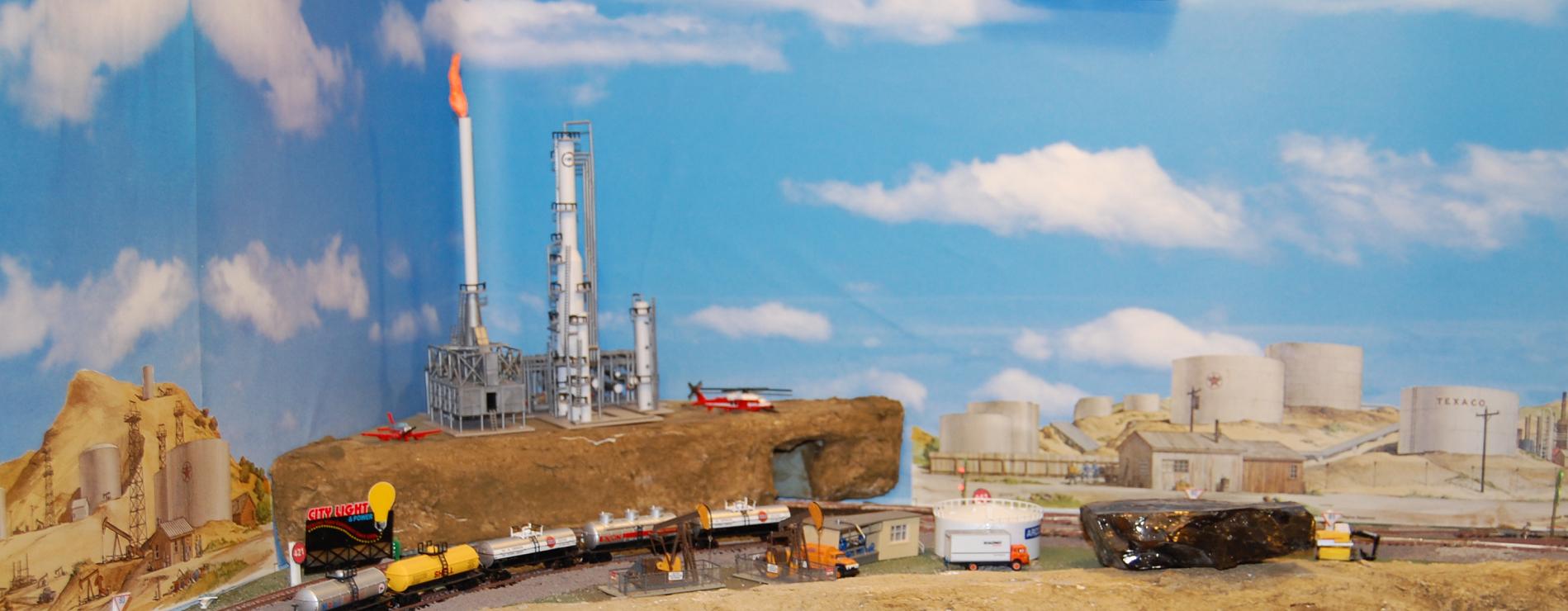
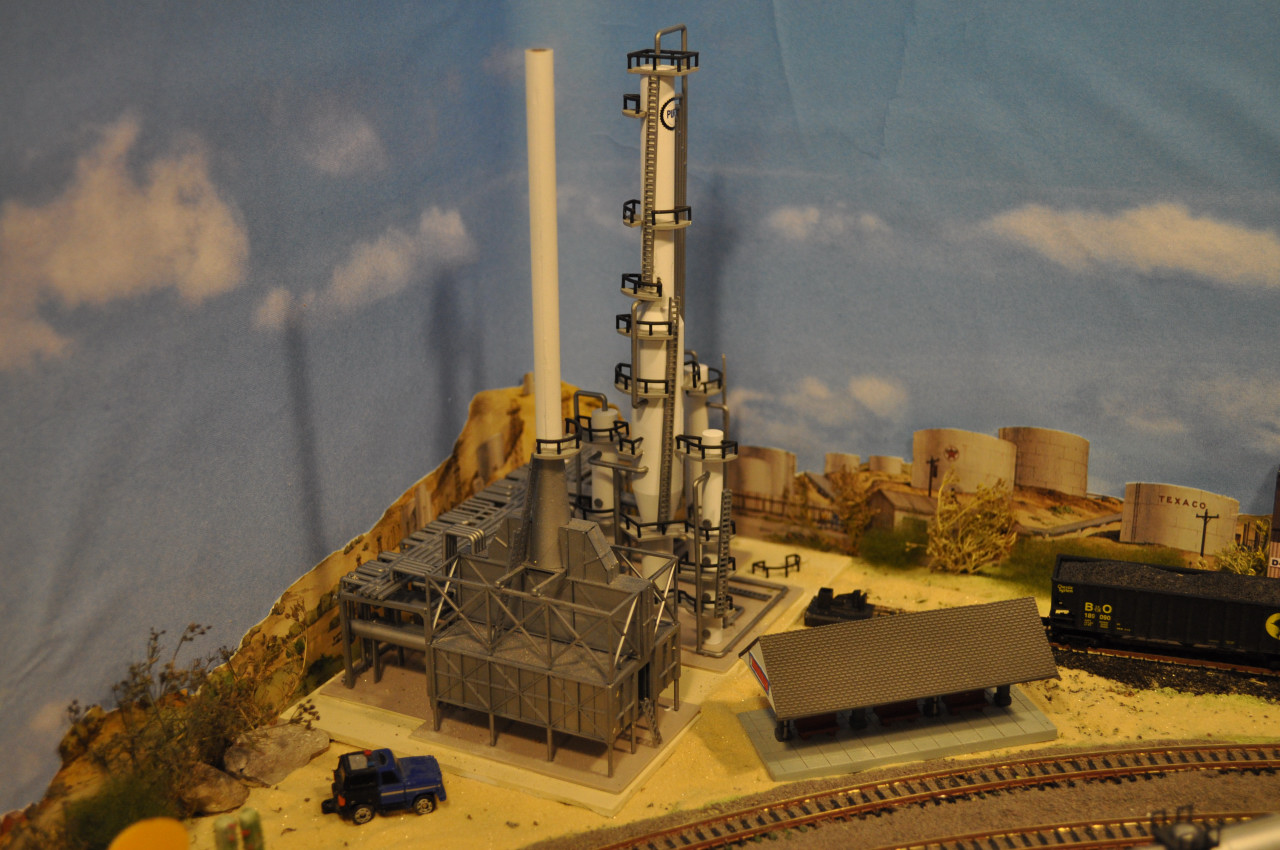
- Crude Oil - since 1870 near
Titusville; 'Quaker State', 'Pennzoil', other
- Lumber - world leader circa 1850 near
Williamsport, also
Yeagertown
- Natural Gas - now (2010) northeast above Scranton
- Electric Power Generation and Distribution - Pennsylvania Power & Light Co.
(PPL),
Windmills on Appalatcian Mountains
Industry Products carried or supported
The Keystone division carries passengers as well as freight. We allocate 5
fast minutes per stop.
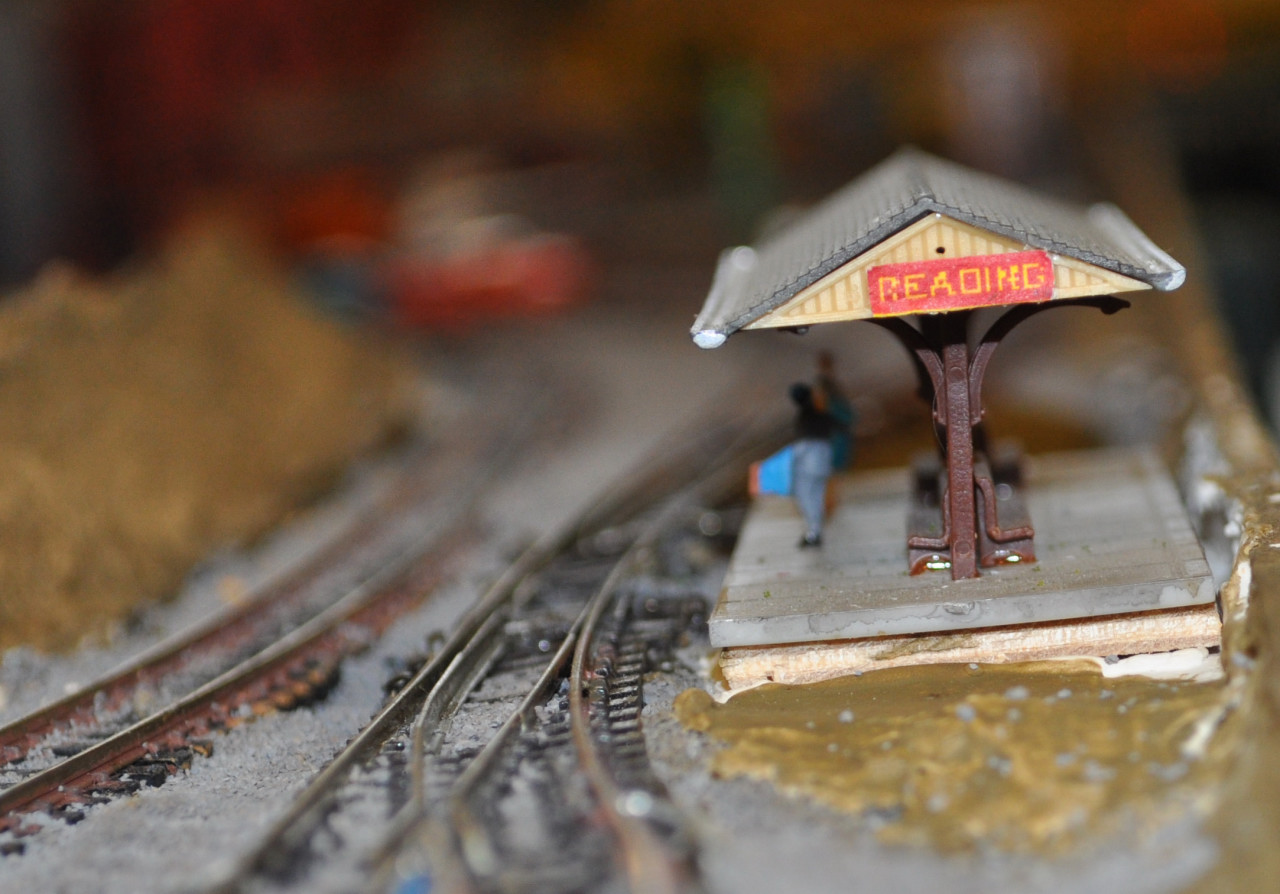
The Passenger stops on our line are:
There are currently 21
Sidings on the railroad serving industries where freight cars can be spotted or picked up.
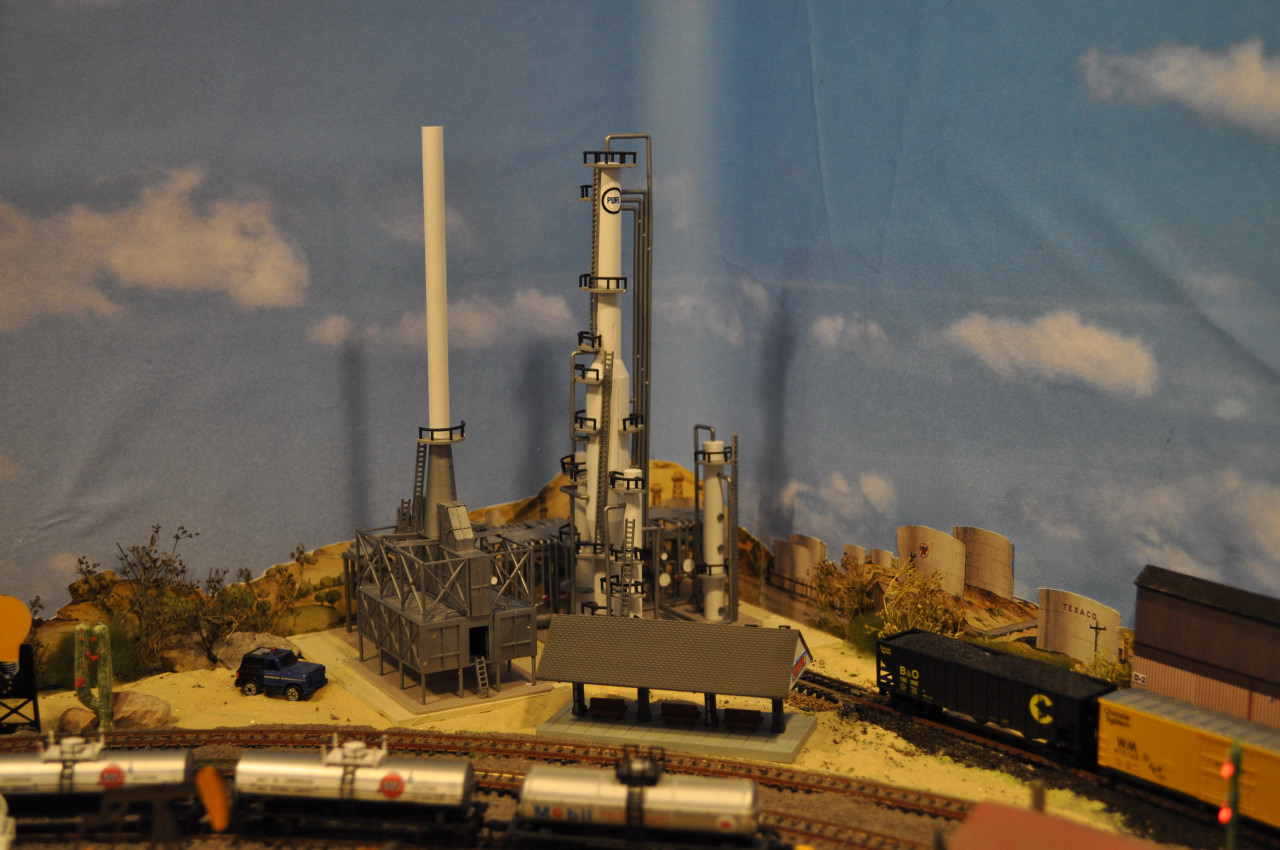
- Titusville Drake Oil Field Wells
- North West PP&L
Electric Power Generation
- Girardville
Coal Strippings,
Deep Mine and Colliery Operation ,
photo
2
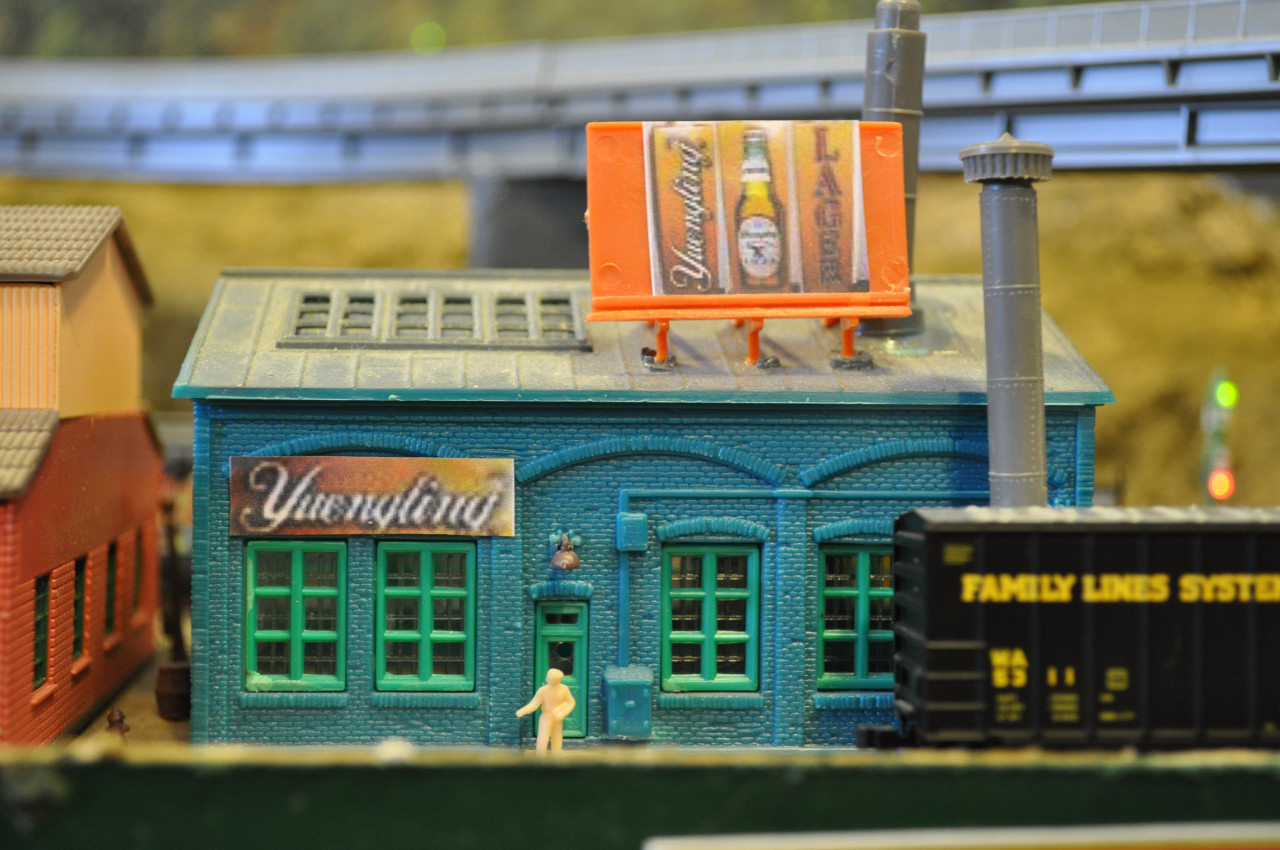
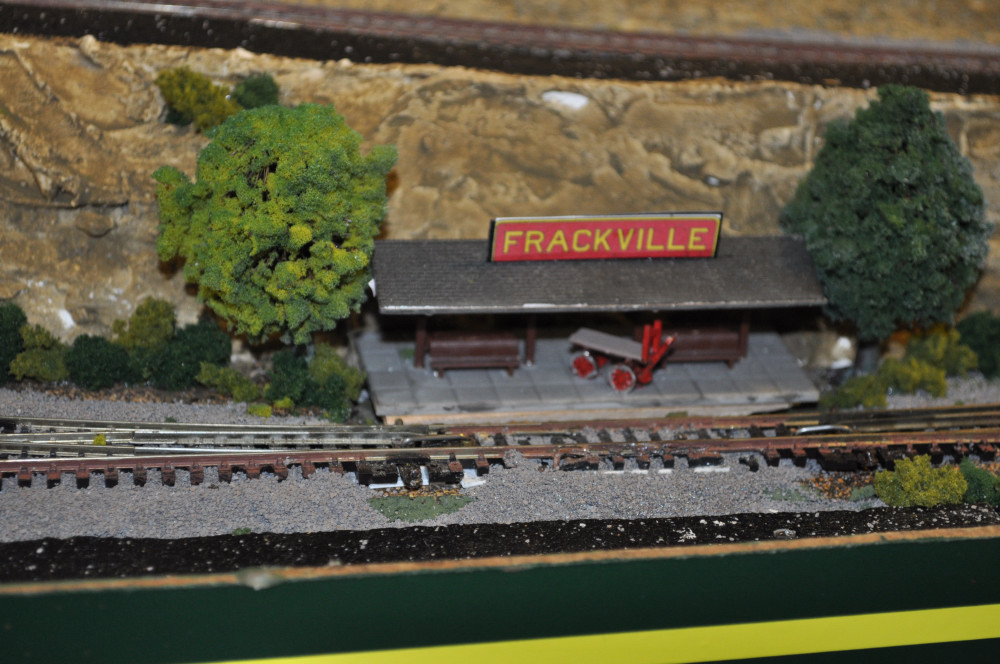
- Frackville-Pottsville team track serves the Frackville Freight Depot, PPL Power
Pole Distributors, Lowes Regional Distribution Center and Yuenglings Beer
- Sunbury Coal Mine
- Yeagertown Switchback Lumber Railroad
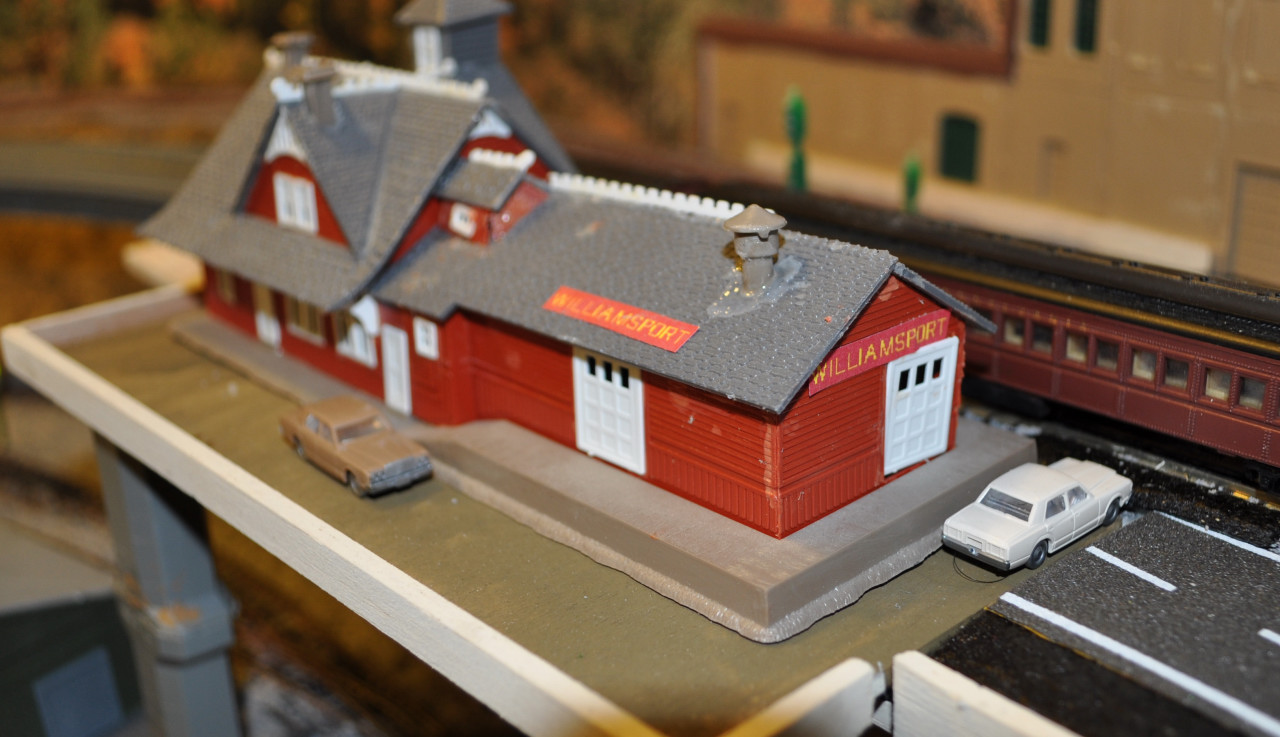
- Williamsport
Lumber Distribution
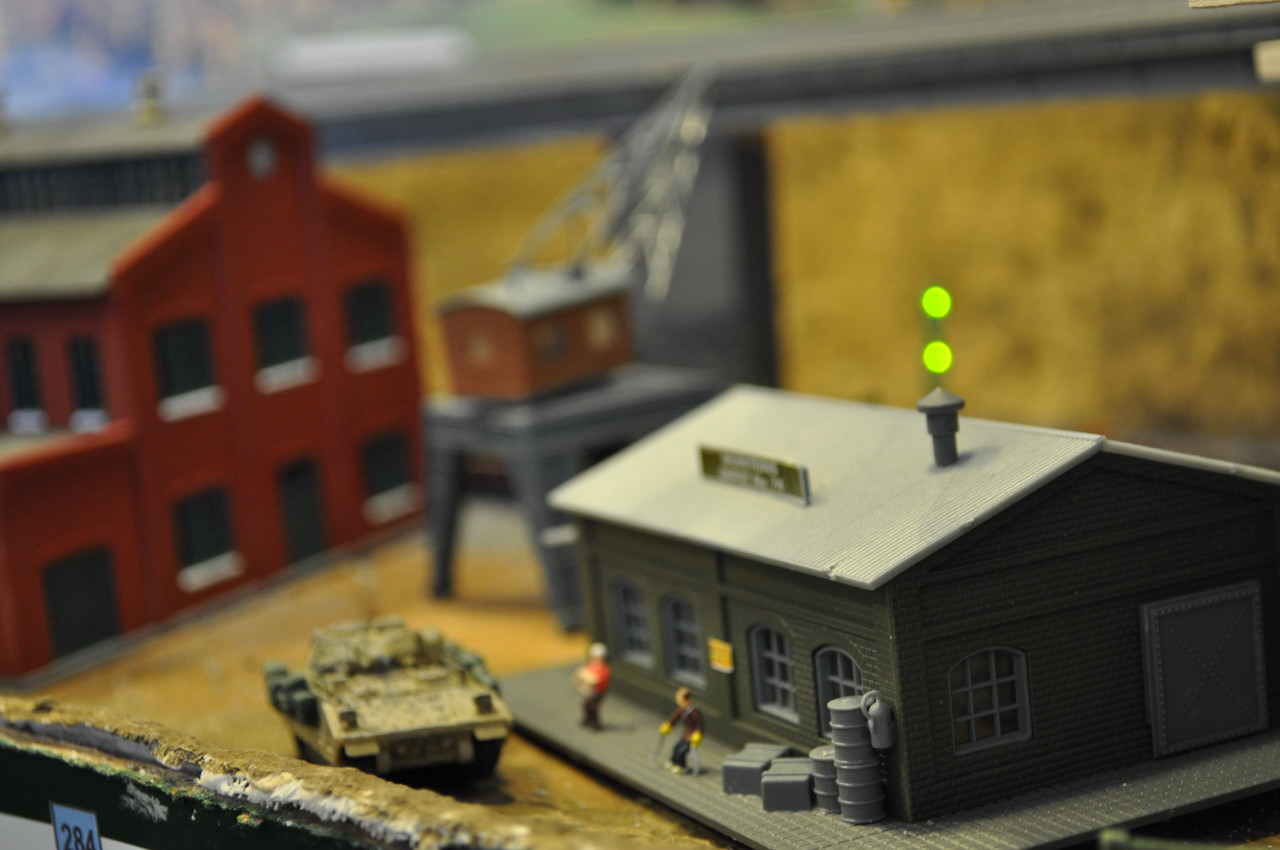
- Indiantown Gap Military Depot
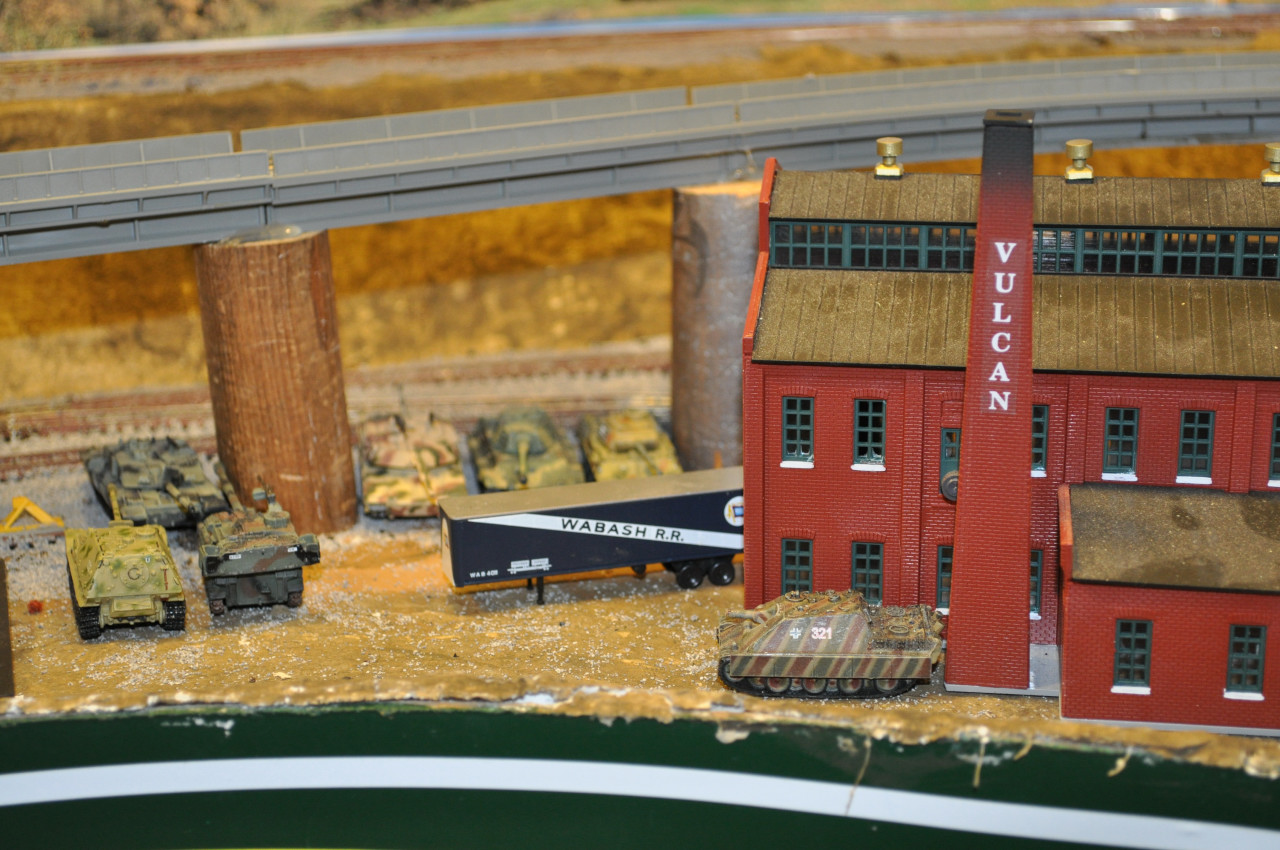
track serves the U.S.Army and Vulcan Manufacturing
- Lancaster Industry Track serves Wilbur Chocolates, Spring Glen Fresh Food and
Kunzler Meats
- Reading Industry Track serves Hazle Meats and Clover Farms Dairy
- Bethlehem track serves Bethlehem Steel Distributors
- Philadelphia
Oil and Gas Port
track serves Homgas LP, Quaker Chemical, and several fuel businesses
- Philadelphia
Container Port
track serves serveral intermodal freight companies and their customers. Rail
deliveries of mported containers of goodsare made to several warehouse
operations including Sears, Lowes, Home Depot, Walmart, tbd. Export containers
are delivered by rail from Gould Pumps, Williamsport Lumber, Hersheys, Wilbur
Chocolates, tbd.
- Ashland Lumber and Team Track
serves Gould Pump Co. and Yeagertown Timber Co
- Scranton Team Track
serves Murazzi Meats, Montour Iron Works, and Scranton Freight Depot
- McCormick Dress Manufacturers
track
- Philadelphia Grains
track serves ADM Granary
- West Philadelphia
Warehouse Track 1
serves ABC Warehouses
- West Philadelphia
Warehouse Track 2
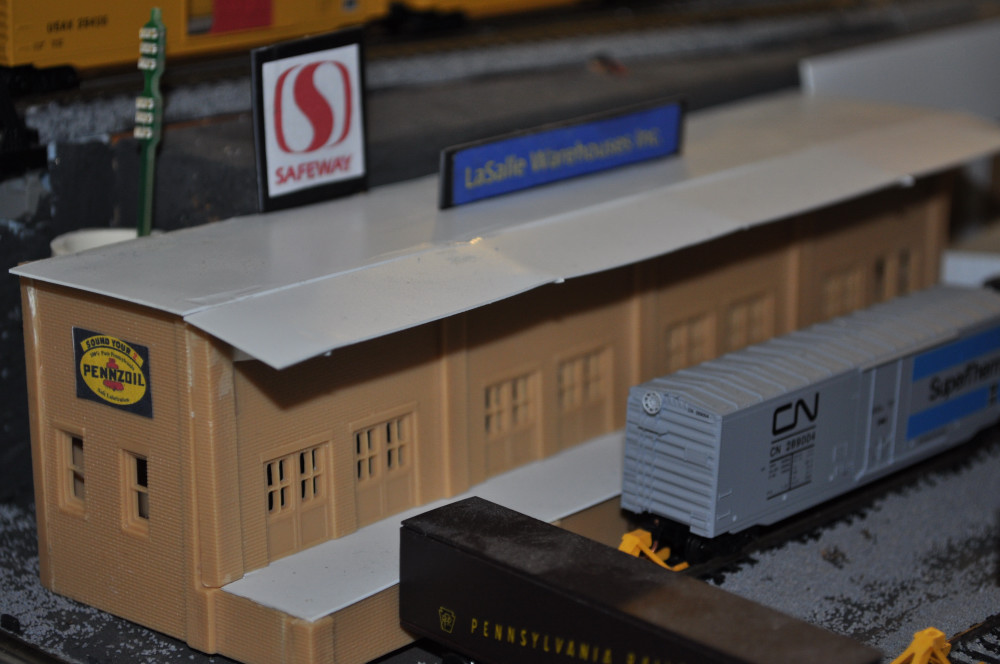
serves LaSalle Warehouses
- West Philadelphia
Team Track
serves North Phila Freight Depot and U.S.Mail
- Philadelphia Wye
and Delaware River
Bulk Materials Port
track serves Anthracite Exporters
- Philadelphia
Seafood Distribution
track serves Gorton Seafood
There are several Mainline and Bypass tracks that also service industries.
These Stops are Less than Car Load (LCL) deliveries or pickups and are allowed
to hold the mainline or bypass track for at most 30 fast minutes per car.
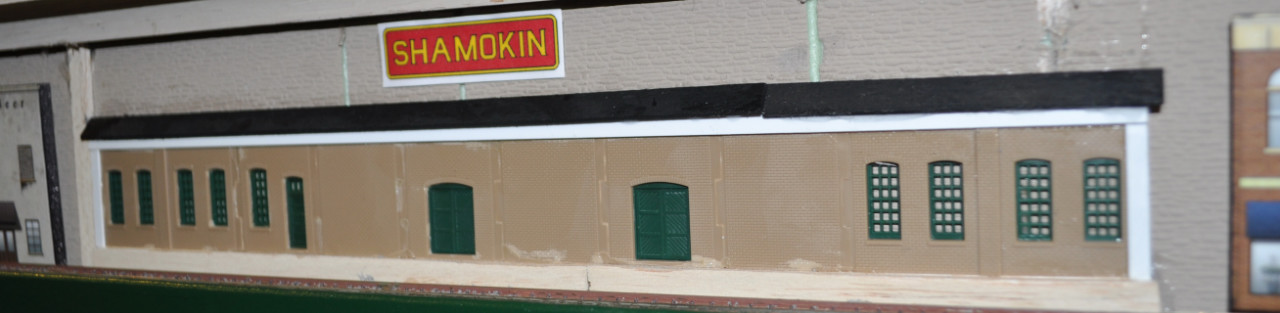
- Bud's Beer Distributor warehouse in Shamokin is on the Ashland - Shamokin -
Indiantown Gap mainline.
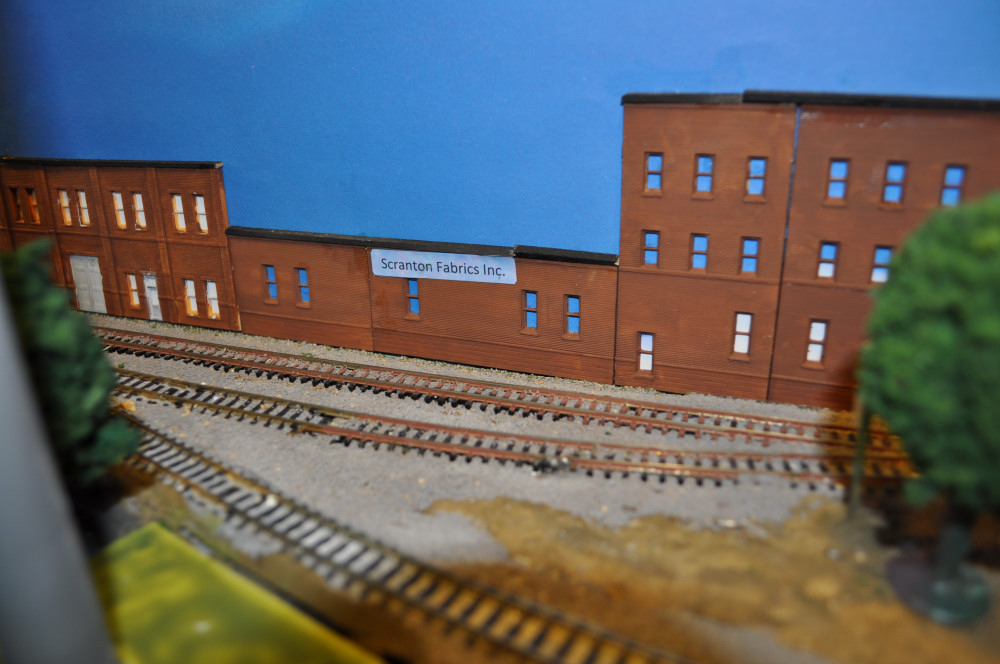
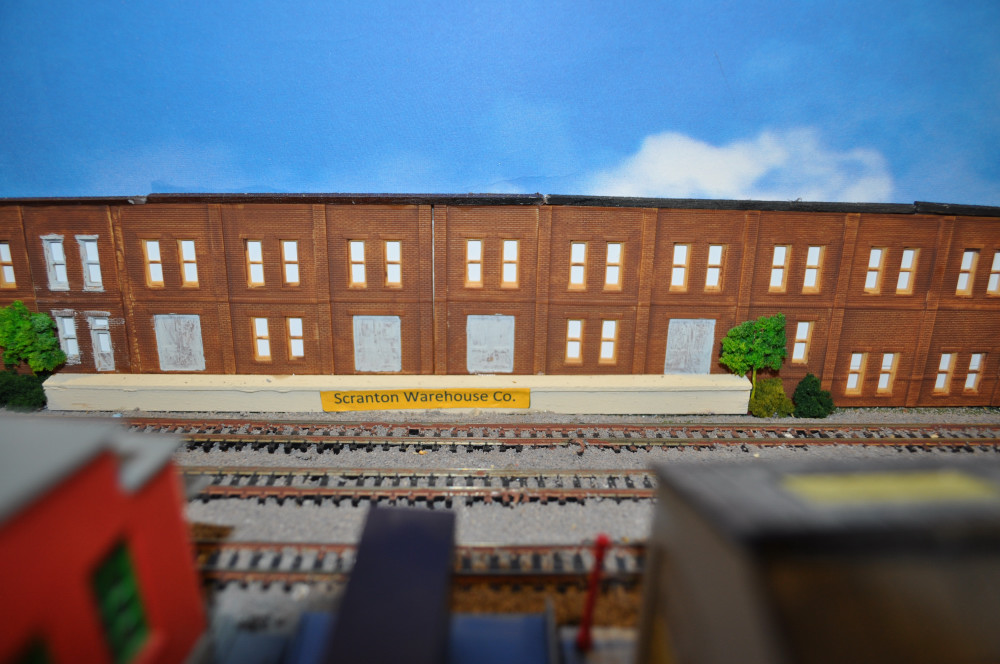
- Scranton Warehouses, Scranton Fabrics, Sauquoit Silk are on the Scranton
Alternate track
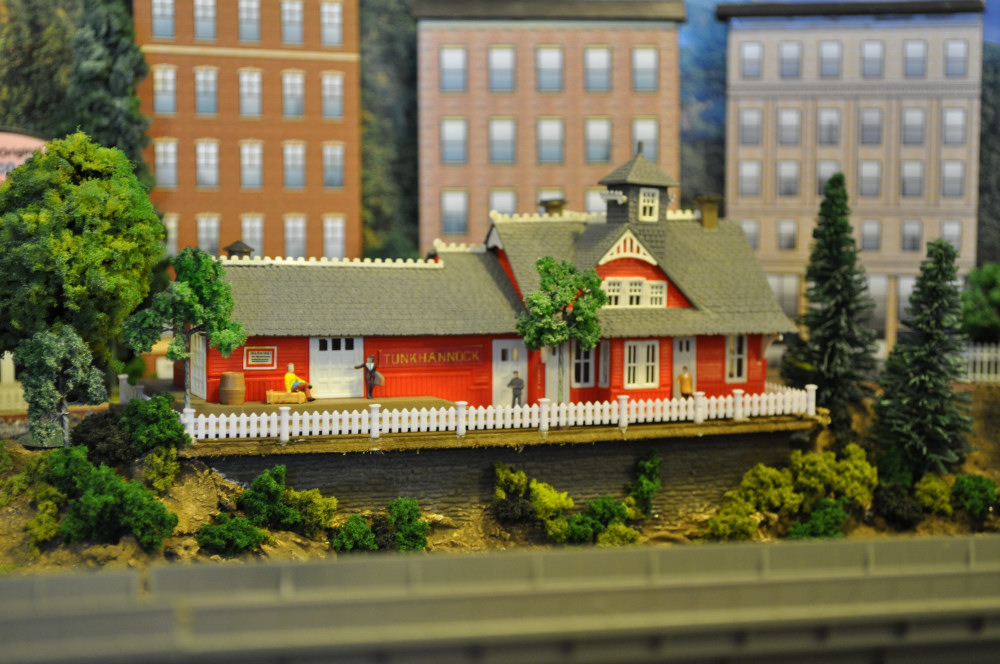
- Tunkhannock Warehouse is on the Tankhannock Mainline
- Williamsport lumber also transfers products on the Driftwood-Williamsport
Alternate track
- Hershey;s Kitchen Warehouses is on the Hershey Mainline
- East Williamsport Warehouse, Yuengling's Ft Hills Brewery and East Bank Lumber
Mill are on the Driftwood-Williamsport Mainline
- East Titusville Warehouse is on the Titusville-Driftwood Mainline
Each industry served on a siding, mainline or bypass track may be a shipper or
consignee of multiple ladings requiring specific rail car type (AAR code). MRRM
simulates the production and consumption of these ladings based on each
industry's production
and consumption capacities and on orders from a buying industry resulting in
shipments from the selling industry.
These ordersshipments create waybills and ultimately shipping manifests that train crews use when
operating the railroad.
There are three yards on the railroad. Each yard services industries in its area
of operation. Freight cars typically do not move directly from shipping industry
to consignee industry but rather move through yards. When the shipper and
consignee are not served by the same yard, these freight cars are moved from the
shipper's home yard to the consignee's home yard (possibly stopping at other
intermediate yards or interchanges)./p>
Philadelphia Yard
- Departure Track
- Arrival Track
- Classification Tracks (7) - one track is assigned as the Baltimore
Interchange
- local trains visit Philadelphia, Container Port, Bulk Port, Oil and Gas Port,
Lancaster
Reading Yard
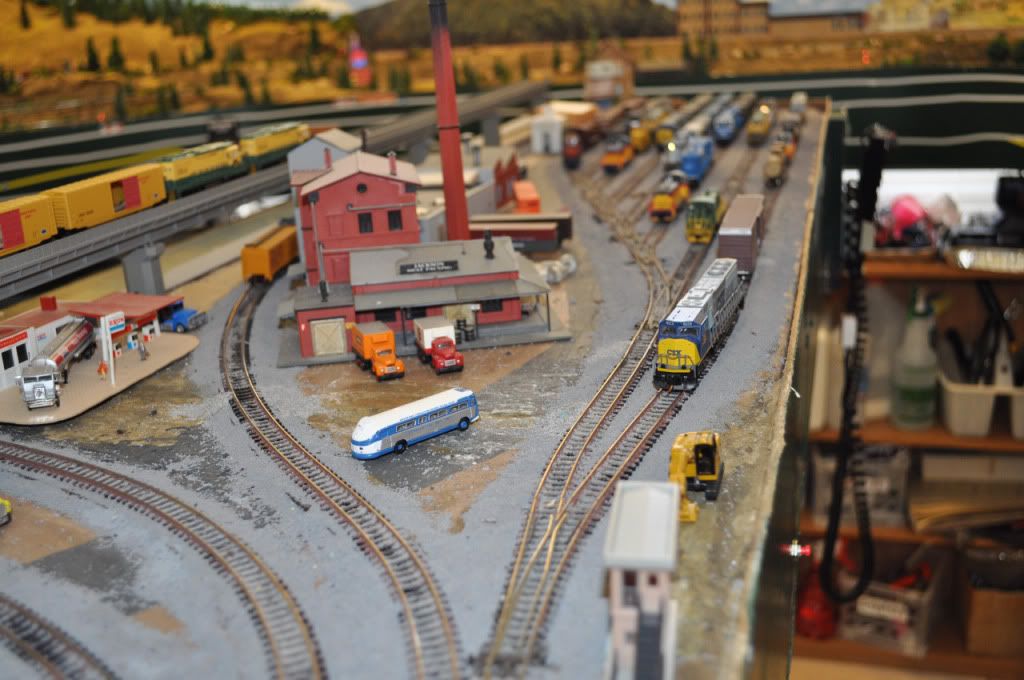
- Departure Track
- Arrival Track
- Classification Tracks (6)
- local trains visit Reading, Bethlehem, Allentown, Hamburg, Pottsville,
Frackville, Girardville, Big Mine Run, Ashland, Shamokin, Indiantown Gap,
Harrisburg, Hershey, Hazleton,
Erie Yard - West Staging

- Departure Track
- Arrival Track
- Classification Tracks (8)
- Buffalo Interchange Track
- Cleveland Interchange Track
- local trains visit Erie, Titusville, Williamsport, Laporte, Tunkhannock,
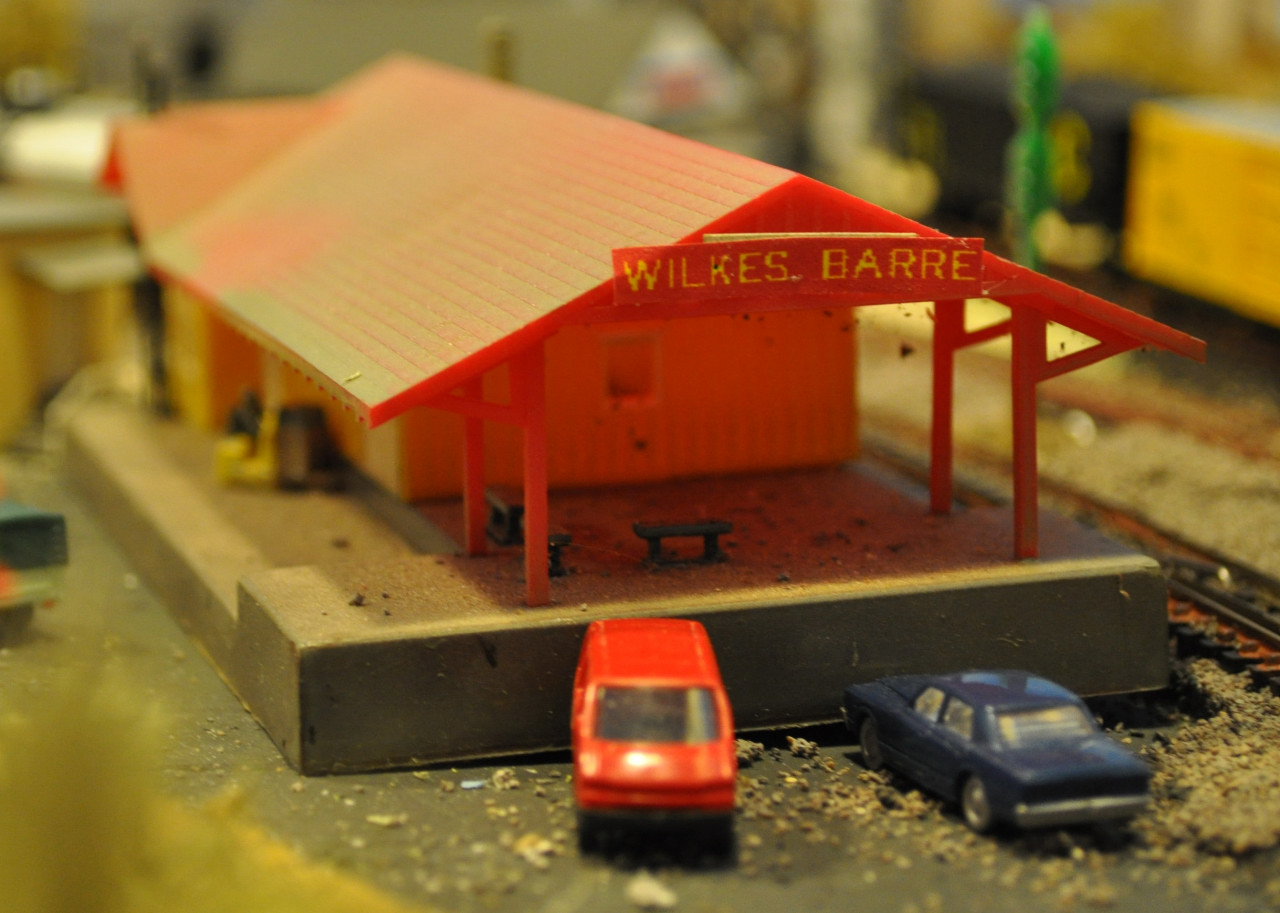
Scranton, Wilkes-Barre, Sunbury
Interchanges provide track sharing between two railroads. Cars moving from one
railroad to another are temporarily spotted on interchange track by one railroad
for pickup and delivery by another railroad. Each Interchange track holds a limited
number of cars. We virtualize a larger interchange capacity using off track
storage for cars requiring the interchange.The Keystone Division has these
interchanges:
- Cleveland Interchange (via Erie Yard) - R&C Keystone Division with NS_Cleveland
Division
- Buffalo Interchange (via Erie Yard) - R&C Keystone Division with CN_Buffalo
Division
- Baltimore Interchange (via Philadelphia Yard) - R&C Keystone Division with
CSX_Baltimore Division
- NYC Interchange (via Easton using Hazleton - Tamaqua track) - R&C Keystone
Division with CP_NYC Division
- Yeagertown Interchange (track terminating in Ashland) - R&C Keystone Division
with Yeagertown Branch Railroad
Local Trains move full or empty (MT) freight cars between the yard and the
industries it serves. We allocate 30 fast minutes per car for pickup or setout.
A little more time is needed when a run around is required. A little less is
needed for a trailing point siding setou or pickup.The locals we run are:
- Reading 1 - RDG yard, Reading, Bethlehem, Pottsville, Frackville Girardville,
Ashland, Shamokin, RDG yard
- Reading 2 - RDG yard, Lancaster, Indiantown Gap, Hershey, Sunbury, Hazleton,
Easton, Philadelphia
Reverse, RDG yard
- Philadelphia 1 - Phila. Yard, Philadelphia 5 city industry siding tracks, Phila. Yard
- Philadelphia 2 - Phila. Yard, Oil & Gas Port, Container Port, Delaware River Bulk Port,
Lancaster, Phila. Yard
- Erie 1 - Erie Yard, Titusville, Williamsport, Laporte, Tunkhannock, Scranton, Wilkes Barre, Erie Yard
Manifest Freight Trains move freight cars between two or more yards or
interchanges. Travel legs followed by our manifest trains are:
- Reading Yard - Philadelphia Yard
- Reading Yard - Erie Yard
- Philadelphia Yard - Reading Yard
- Philadelphia Yard - Erie Yard
- Erie Yard - Cleveland Interchange
- Erie Yard - Buffalo Interchange
- Philadelphia Yard - Easton Interchange (tbd)
- Philadelphia Yard - Baltimore Interchange (tbd)
Unit Trains are the exception to the home yard freight car movement rule. A Unit
train moves a string of freight cars from the shipper to the consignee without
picking up or setting out cars at another industry or intermediate yard. The Unit trains we run are:
- Coal - Sunbury Deep Mine or Girardville Strip Mine to Anthracite
Exporters at Bulk Port
- Coal - Sunbury Deep Mine or Girardville Strip Mine to Niagara Power via
Buffalo Interchange
- Coal - Sunbury Deep Mine or Girardville Strip Mine to Dayton Power via
Cleveland Interchange
- Oil - Drake Oil to Dupont Chemical via Baltimore Interchange
- Logs - Yeagertown RR Interchange in Ashland to Williamsport Lumber
- Finished Lumber - Williamsport Lumber to Philadelphia Container Port
The model railroad comprises seven by-pass or alternate track sections. These
track sections allow one or more trains to move off the mainline and wait until
another train passes on the mainline. Space constrains us to limit each train to
one or two locomotives and five or six cars on most of these by-pass tracks.
Four of these by-pass track sections have
room for one train. Two of the sections are long enough to hold two trains - one
behind the other. One section has two by-pass tracks.
The seven mainline sections with by-passes and their typical train holding capacities are:
- Titusville 2x1
- Williamsport 2x2
- Scranton 2x2,
- Girardville 2x1
- Ashland 2xl
- Philadelphia 3x2
- Pottsville - Allentown 2x2
With this configuration we plan to support up to 12 trains concurrently.














.jpg)